Introduction to Seasonal Allergies in Children
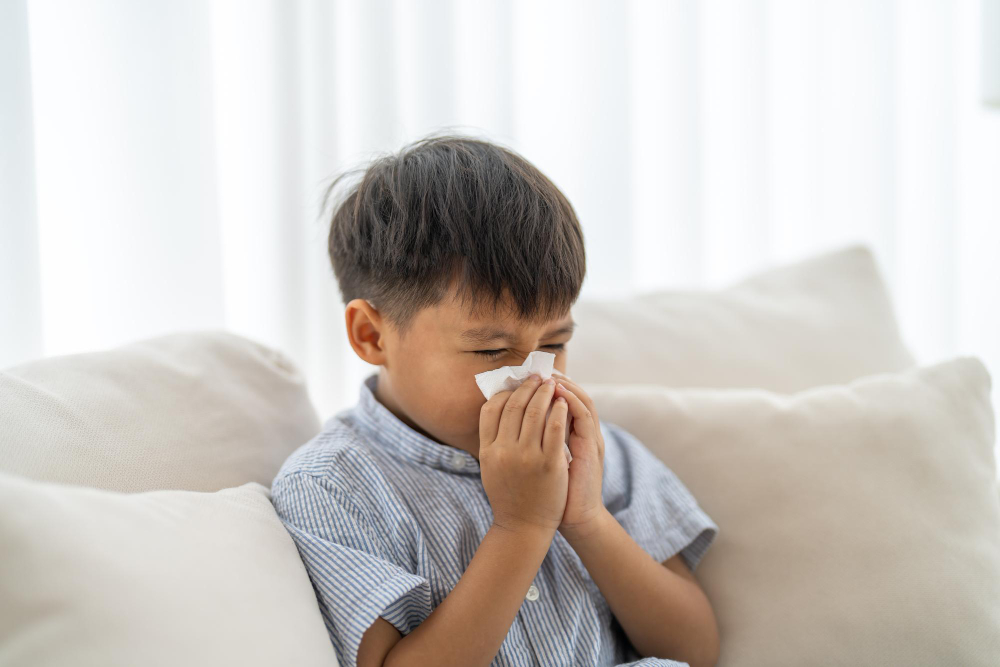
Many parents notice their children sneeze or get itchy eyes during certain times of the year. These signs may point to seasonal allergies in children. Seasonal allergies happen when a child’s immune system reacts to things like pollen in the air. As a result, kids may feel uncomfortable or tired. However, with the right care, most children can feel better quickly. Understanding the symptoms, causes, and ways to prevent allergies in kids can help families manage these issues with confidence.
Common Symptoms
Children with seasonal allergies often show clear signs. Early recognition helps parents seek help sooner. For example, some common child allergy symptoms include:
Sometimes, these symptoms may look like a cold. However, allergy symptoms usually last longer and return each year during the same season.
Main Causes and Triggers
Seasonal allergies in children are caused by the immune system reacting to harmless things in the air. These things are called allergens. For instance, common triggers include:
Usually, allergies start when a child breathes in these allergens. The body then releases chemicals like histamine, which cause allergy symptoms. Not every child reacts to the same triggers. Therefore, it helps to notice when symptoms appear and what might be causing them.
Diagnosis Methods
Doctors use several ways to diagnose seasonal allergies in children. First, they ask about symptoms and family history. Next, they may do a physical exam. Sometimes, doctors suggest allergy tests, such as:
These tests help find out which allergens cause problems. Early diagnosis can lead to better pediatric allergy treatment and relief for your child.
Treatment Options
There are many safe ways to treat seasonal allergies in children. Treatment depends on the child’s age and how severe the symptoms are. Common options include:
Always talk to your child’s doctor before starting any medicine. Some treatments are only for older children. In addition, following the doctor’s advice can help avoid side effects.
Prevention Tips and Lifestyle Guidance
While you cannot always avoid allergens, there are steps to lower your child’s risk. Here are some tips on how to prevent allergies in kids:
Additionally, keeping your home clean and dust-free can help. These steps may not stop allergies completely, but they can make symptoms milder.
When to See a Pediatrician
Sometimes, home care is not enough. You should contact a doctor if:
Early medical advice can prevent complications. Moreover, a pediatrician can suggest the best pediatric allergy treatment for your child.
Conclusion and Call-to-Action
In summary, seasonal allergies in children are common but manageable. Recognizing symptoms early, knowing the causes, and following prevention tips can help your child feel better. If you have concerns, do not wait. Consult a pediatrician at Sriram Clinics for personalized advice on managing seasonal allergies in children.