
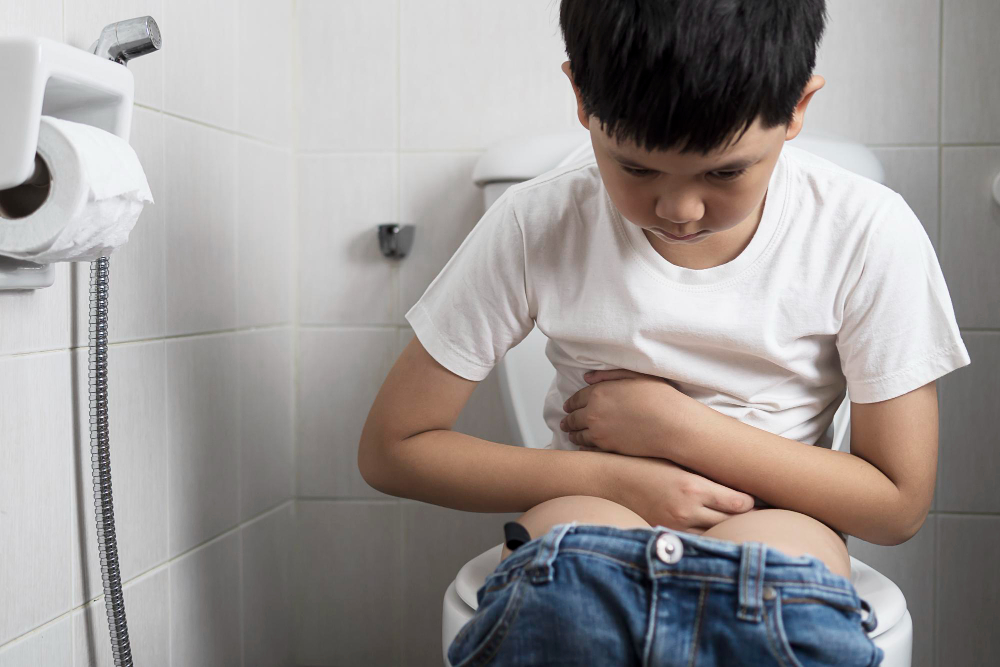
What Is Constipation in Children?
Constipation in children means your child has trouble passing stools. Often, it means fewer than three bowel movements in a week. Sometimes, stools are hard, dry, or painful to pass. For many parents, this can be worrying. However, constipation in children is common and usually not serious. Still, it can cause discomfort and stress for both the child and family.
Common Causes of Constipation in Children
There are many reasons why a child may become constipated. Understanding these causes can help you find the right solution. For example, some children avoid going to the bathroom. Others may not eat enough fiber. Here are some common causes:
Recognizing Symptoms of Childhood Constipation
It is important to spot the signs early. This way, you can help your child feel better sooner. Common symptoms include:
Sometimes, children may avoid the toilet because it hurts to go. As a result, the problem can get worse.
Diagnosis: How Doctors Identify Constipation in Kids
Doctors usually ask about your child’s symptoms and habits. They may ask how often your child goes to the bathroom. Sometimes, a gentle exam of the belly is needed. In rare cases, doctors may order tests like an X-ray. However, most of the time, a careful history is enough. According to the American Academy of Pediatrics, most cases do not need special tests.
Effective Solutions and Treatments
There are many ways to help a constipated child. Often, simple changes work well. For example, adding more fiber and water can help. Here are some common treatments:
Always talk to your doctor before giving any medicine. This ensures the treatment is safe for your child.
Home Remedies and Lifestyle Tips
Many parents ask about child constipation remedies they can try at home. Luckily, several simple steps can help:
With these tips, many children feel better within a few days. However, patience is important, as habits take time to change.
When to See a Pediatrician
Sometimes, constipation in children needs medical attention. You should call your doctor if:
Early help can prevent problems from getting worse. For more information, you can visit trusted sources like the CDC or the American Academy of Pediatrics.
Prevention: Keeping Your Child Regular
Preventing constipation in kids is easier than you might think. Here are some simple tips:
With these habits, your child can stay regular and healthy. Prevention is always better than cure.
Conclusion: Constipation in children is common but manageable. If your child is struggling, try these solutions and tips. However, consult a pediatrician at Sriram Clinics for personalized advice if your child is experiencing constipation.