What is Fever in Children?
Fever in children is a common concern for many parents. Usually, a fever means the body is fighting an infection. In most cases, a mild fever is not dangerous. However, it can be scary to see your child feeling unwell. For this reason, knowing when to worry about a child’s fever is important. According to the CDC, a fever is a body temperature of 100.4°F (38°C) or higher.
Common Causes of Fever
Many things can cause fever in children. Often, it is a sign that the body is working to fight off germs. Some common causes include:
Viral infections (like the common cold or flu)
Bacterial infections (such as ear infections or strep throat)
Immunizations (sometimes cause mild fever after shots)
Teething (may cause a slight rise in temperature)
Still, most fevers in children are not serious. But, you should watch for other symptoms.
Recognizing Symptoms: When is Fever a Concern?
Sometimes, fever in children can signal a more serious problem. So, it is important to look for warning signs. You should worry if your child has:
Fever lasting more than three days
Very high fever (above 104°F or 40°C)
Seizures or shaking
Difficulty breathing or fast breathing
Severe headache, stiff neck, or confusion
Persistent vomiting or diarrhea
Unusual sleepiness or trouble waking up
Rash that does not fade when pressed
Additionally, babies under three months with any fever need medical attention right away.
How to Monitor and Measure Fever at Home
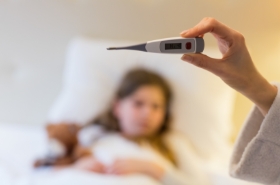
It is important to check your child’s temperature correctly. For best results, use a digital thermometer. Here are some tips:
For babies under three months, use a rectal thermometer
For older children, oral or underarm thermometers work well
Always clean the thermometer before and after use
Take the temperature at the same time each day for accuracy
Moreover, write down the readings to share with your doctor if needed.
When to Seek Medical Attention
While most fevers are mild, some need a doctor’s care. You should call your pediatrician if:
Your child is younger than three months and has a fever
The fever lasts more than three days
Your child has trouble breathing or is very drowsy
There are signs of dehydration (dry mouth, no tears, less urine)
Your child has a seizure
There is a rash with the fever
In any emergency, seek help right away.
Home Care Tips for Managing Fever
Most fevers in children can be managed at home. Here are some helpful tips:
Keep your child comfortable and dressed lightly
Offer plenty of fluids to prevent dehydration
Let your child rest as much as needed
Use fever medicine like acetaminophen or ibuprofen if advised by your doctor
Do not give aspirin to children
However, always follow your doctor’s advice for medicine and care.
Prevention and Healthy Habits
Although you cannot prevent all fevers, healthy habits can lower the risk. For example:
Encourage regular handwashing
Keep your child’s vaccinations up to date
Teach your child to cover coughs and sneezes
Clean toys and surfaces often
As a result, these steps can help keep your child healthy.
Frequently Asked Questions (FAQs)
Is fever always a sign of infection?
Not always. Sometimes, fever can happen after vaccines or due to teething.
Can I bathe my child to reduce fever?
Yes, a lukewarm bath may help. But, avoid cold water or ice baths.
When should I worry about my child’s fever?
If your child has warning signs like trouble breathing, seizures, or is very young, call your doctor.
Should I wake my child to give fever medicine?
No, let your child rest unless your doctor says otherwise.
If your child has a persistent or severe fever, consult a pediatrician Dr. Uma Maheswari for personalized advice.