Ear infections in children are common, especially among babies and toddlers. As a parent or caregiver, you may worry when your child feels pain or pulls at their ear. However, understanding childhood ear infection symptoms and knowing when to see a doctor for ear infection can help you act quickly. In this guide, you will learn about pediatric ear infection causes, signs to watch for, and helpful prevention tips. According to the Centers for Disease Control and Prevention (CDC), ear infections are one of the main reasons children visit doctors.
What Are Ear Infections in Children?
Ear infections happen when germs, such as bacteria or viruses, cause swelling or fluid buildup inside the ear. Most often, these infections affect the middle ear, which is the space behind the eardrum. Because children’s ear tubes are shorter and more narrow than adults’, they are more likely to get infected. The World Health Organization (WHO) notes that ear infections are a leading cause of hearing problems in young children. While many ear infections clear up on their own, some need medical care to prevent complications.
Common Causes of Ear Infections in Children
Many things can lead to ear infections in children. For example, colds and allergies can block the ear tubes. As a result, fluid and germs get trapped, causing infection. Here are some common causes:
Because children’s immune systems are still growing, they may be more likely to get infections. In addition, family history can play a role.
Recognizing Symptoms of Ear Infections in Children
It is important to know the signs of an ear infection. Sometimes, children cannot say what hurts. Therefore, you may notice changes in their behavior. Common childhood ear infection symptoms include:
Sometimes, symptoms are mild and go away quickly. But in other cases, they last longer or get worse. If you notice any of these signs, keep a close watch on your child.
When to See a Doctor for Your Child’s Ear Infection
While many ear infections get better on their own, some need a doctor’s care. For instance, you should contact your child’s doctor if:
Because untreated ear infections can lead to hearing loss or other problems, it is important to seek help when needed. The American Academy of Pediatrics recommends seeing a doctor if you are unsure about your child’s symptoms.
Diagnosis and Treatment Options for Pediatric Ear Infections
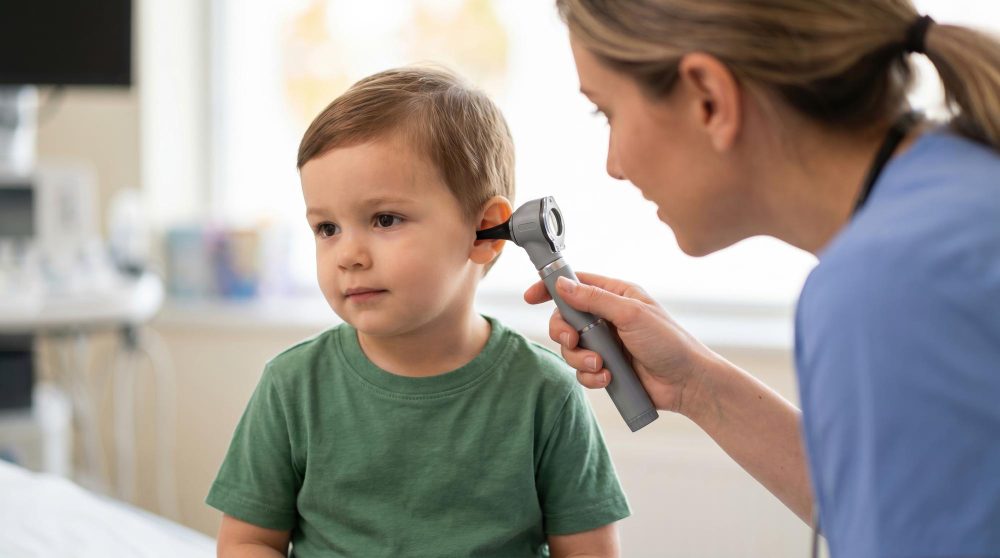
Doctors use a special tool called an otoscope to look inside your child’s ear. This helps them see if there is redness, swelling, or fluid. Sometimes, they may check your child’s hearing. Treatment depends on the cause and severity. In many cases, doctors suggest:
However, not all ear infections need antibiotics. According to the CDC, overuse of antibiotics can cause resistance. Therefore, doctors only prescribe them when necessary.
Tips for Prevention and Home Care
There are steps you can take to lower your child’s risk of ear infections. For example, keeping your child away from cigarette smoke helps protect their ears. Here are more prevention tips:
At home, you can help your child feel better by giving pain relievers as directed and keeping them comfortable. However, always follow your doctor’s advice for treatment and care. If symptoms worsen, contact your healthcare provider right away.
Conclusion
If your child shows signs of an ear infection, do not wait. Schedule a visit with Dr. Uma Maheswari at our clinic for expert pediatric care and peace of mind.