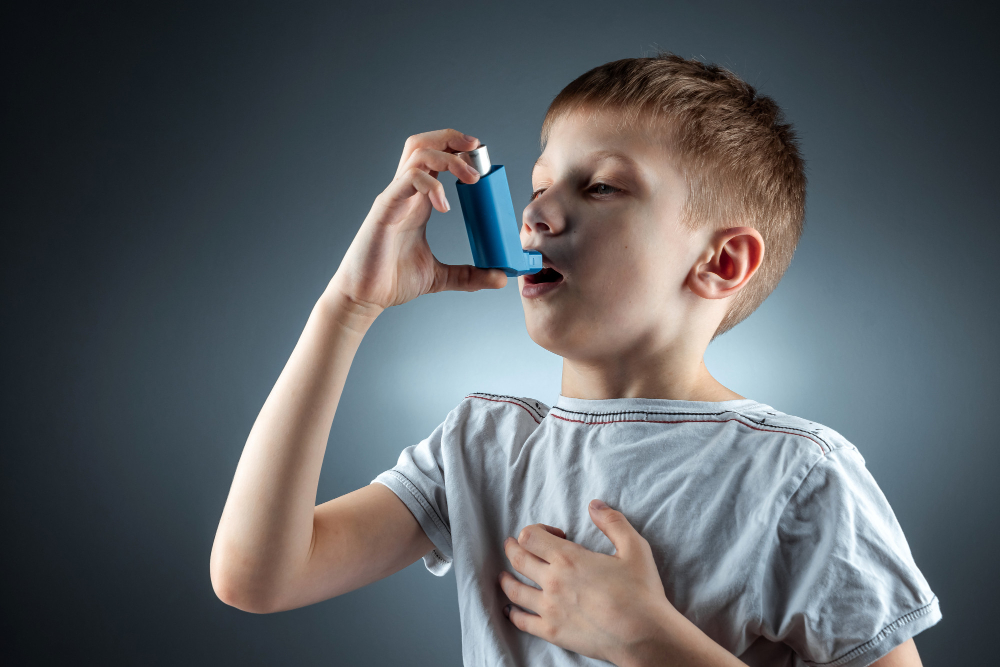
Childhood asthma is a long-term lung condition that affects many children worldwide. It causes the airways in the lungs to become swollen and narrow. Because of this, children may find it hard to breathe. Childhood asthma can impact daily life, school, and play. However, with the right care, most children can manage their symptoms well. In this blog, we will discuss childhood asthma symptoms, common triggers, diagnosis, management, and prevention tips. Early action can help your child lead a healthy, active life.
Symptoms of Childhood Asthma
Recognizing the symptoms of childhood asthma is important. Early detection helps in better management. Common symptoms include:
Sometimes, these symptoms may get worse with exercise, cold air, or at night. If you notice these signs, it is important to talk to your doctor.
Common Triggers for Childhood Asthma
Many things can trigger asthma symptoms in children. Knowing these triggers can help you prevent attacks. Some common triggers include:
By avoiding or managing these triggers, you can help reduce your child’s asthma attacks.
Diagnosis of Childhood Asthma
Doctors use several steps to diagnose childhood asthma. First, they ask about your child’s symptoms and health history. Next, they may listen to your child’s breathing. Sometimes, doctors use tests such as:
Because asthma symptoms can be like other illnesses, a doctor may need to see your child more than once. Early diagnosis helps start the right treatment plan.
Management and Treatment of Childhood Asthma
Managing childhood asthma involves both medicine and lifestyle changes. With the right approach, most children can control their symptoms. Here are some key steps:
According to the CDC, following a treatment plan can help most children live active lives. Always use medicines as directed and ask your doctor if you have questions.
Prevention and Lifestyle Guidance
Although asthma cannot be cured, you can help prevent attacks. Here are some practical tips for families:
With these steps, you can lower the risk of asthma attacks and help your child stay healthy.
When to See a Doctor
Sometimes, asthma symptoms can become serious. You should see a doctor if your child:
If you notice any of these warning signs, seek medical help right away. Early treatment can prevent serious problems.
Conclusion
In summary, childhood asthma is a common but manageable condition. By knowing the symptoms, avoiding triggers, and following a treatment plan, you can help your child stay active and healthy. If you have concerns or notice warning signs, consult Dr. Uma Maheswari for personalized guidance on childhood asthma.