What Is Congenital Heart Disease?
Congenital heart disease (CHD) is a problem with the heart’s structure present at birth. It affects how the heart works. For parents, knowing about CHD is important because early care can help children live healthier lives. CHD is one of the most common birth defects. According to the CDC, about 1 in 100 babies are born with some form of CHD. While some cases are mild, others may need special care. Understanding CHD helps parents spot signs early and seek the right treatment.
Common Symptoms and Early Signs in Children
Early signs of congenital heart disease can be easy to miss. However, spotting them quickly can make a big difference. Some children show symptoms soon after birth, while others may develop signs later. Look out for these common symptoms:
Sometimes, symptoms are mild. But if you notice any of these signs, talk to your child’s doctor right away. Early action can help prevent complications.
Causes and Risk Factors
Many parents wonder why congenital heart disease happens. In most cases, the exact cause is unknown. However, certain factors can raise the risk. For example, CHD can run in families. If a parent or sibling has CHD, the risk is higher. Other risk factors include:
Even though some risks can be managed, not all cases can be prevented. Still, knowing the risk factors helps parents make informed choices.
How Is Congenital Heart Disease Diagnosed?
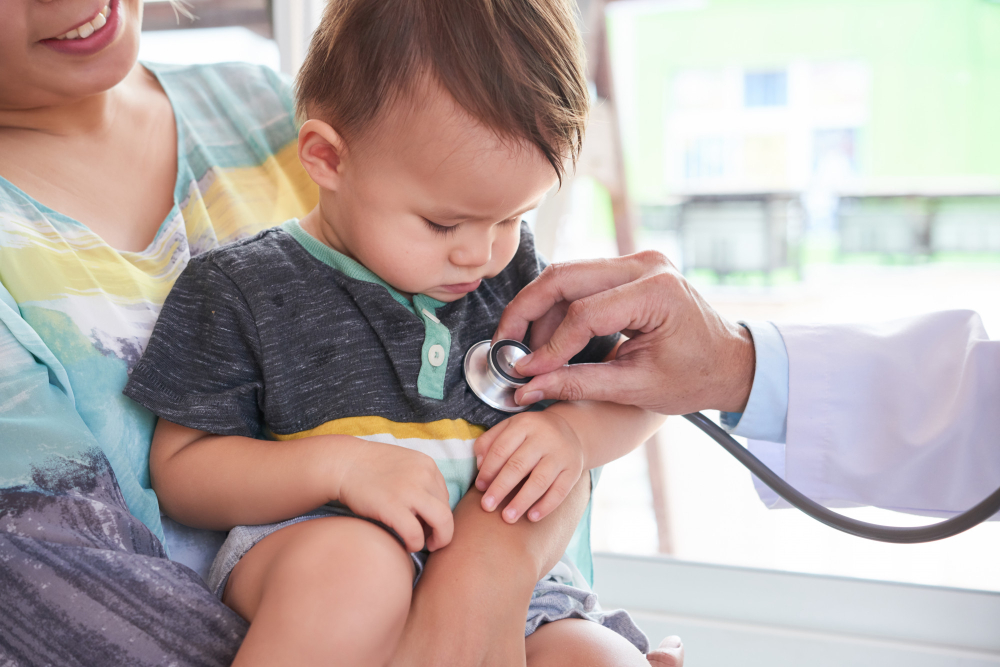
Doctors use several tests to diagnose congenital heart disease in children. Early diagnosis is key to better outcomes. Usually, a doctor will start with a physical exam and listen for heart murmurs. If CHD is suspected, the doctor may order more tests, such as:
Sometimes, CHD is found before birth during a routine pregnancy ultrasound. Early detection allows for better planning and care.
Treatment Options for Children
Treatment for congenital heart disease depends on the type and severity of the defect. Some mild cases may not need treatment and only require regular check-ups. However, many children need medical care. Common treatment options include:
With advances in medicine, most children with CHD can lead active lives. Early treatment improves long-term health.
Lifestyle Tips and Support for Families
Living with congenital heart disease can be challenging for families. However, many resources and tips can help. Here are some ways to support your child and family:
Additionally, talking openly with your child about their condition can help them feel more confident. Support from family and friends makes a big difference.
Prevention and Early Detection
While not all cases of congenital heart disease can be prevented, some steps may lower the risk. For example, mothers can:
Early detection is also important. Therefore, newborn screening and regular check-ups help find CHD early. If you have a family history of heart defects, talk to your doctor before or during pregnancy.
Conclusion
Congenital heart disease can be managed with early care and support. If you notice any signs or have concerns, consult a pediatric cardiologist at Sriram Clinics for personalized advice and early intervention. Early action can help your child live a healthy and active life.