Introduction
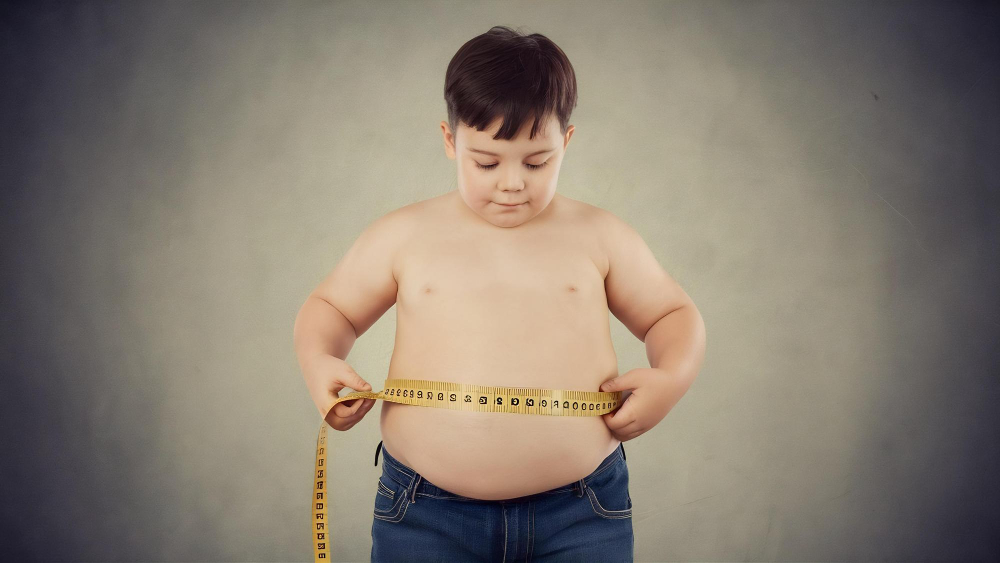
Childhood obesity is a growing health problem worldwide. In fact, the World Health Organization (WHO) reports that over 39 million children under age five were overweight or obese in 2020. Childhood obesity means a child has too much body fat for their age and height. Because of this, it can lead to many health problems, especially with the heart. Early action is important to protect pediatric heart health and prevent future issues.
How Childhood Obesity Affects the Heart
Obesity in children puts extra strain on the heart. As a result, the heart must work harder to pump blood. Over time, this can cause high blood pressure. In addition, high cholesterol levels are common in children with obesity. Both of these can damage blood vessels. For example, fatty deposits may build up in arteries, making them narrow. This raises the risk of heart disease even at a young age. According to the CDC, children with obesity are more likely to develop heart problems as adults.
Long-Term Health Risks of Childhood Obesity
Besides heart disease, childhood obesity can cause many long-term health issues. For instance, it increases the risk of type 2 diabetes. It can also lead to breathing problems like asthma and sleep apnea. Furthermore, joint pain and liver disease are more common. Mental health can suffer too, with higher rates of depression and low self-esteem. Because these risks can last into adulthood, preventing childhood obesity is very important.
Causes and Risk Factors
Many things can lead to childhood obesity. Often, it is a mix of factors. Some common causes include:
Because these factors can add up, it is important to watch for early signs.
Diagnosis and Warning Signs
Doctors use growth charts to check if a child is overweight or obese. They look at body mass index (BMI) for age and sex. Some warning signs include:
If you notice these signs, it is wise to talk to a doctor. Early diagnosis can help prevent long-term effects of childhood obesity.
Prevention and Healthy Lifestyle Tips
Preventing childhood obesity and heart disease starts with healthy habits. Here are some simple tips:
With these steps, you can support your child’s heart health and overall well-being.
Treatment Options
If your child is already overweight or obese, treatment can help. Usually, doctors suggest lifestyle changes first. For example, they may recommend a balanced diet and more activity. Sometimes, a dietitian or counselor can help with meal planning or emotional support. In rare cases, medicine or surgery may be needed. However, these are only for severe cases and under medical supervision. Because every child is different, treatment should be tailored to their needs.
Conclusion & Call-to-Action
In summary, childhood obesity and heart health are closely linked. Obesity can lead to serious heart and long-term health problems. But, with early action and healthy habits, many risks can be reduced. If you are concerned about your child’s weight or heart health, consult a pediatrician at Sriram clinics for personalized advice on childhood obesity and heart health.