What Is Childhood Vaccination?
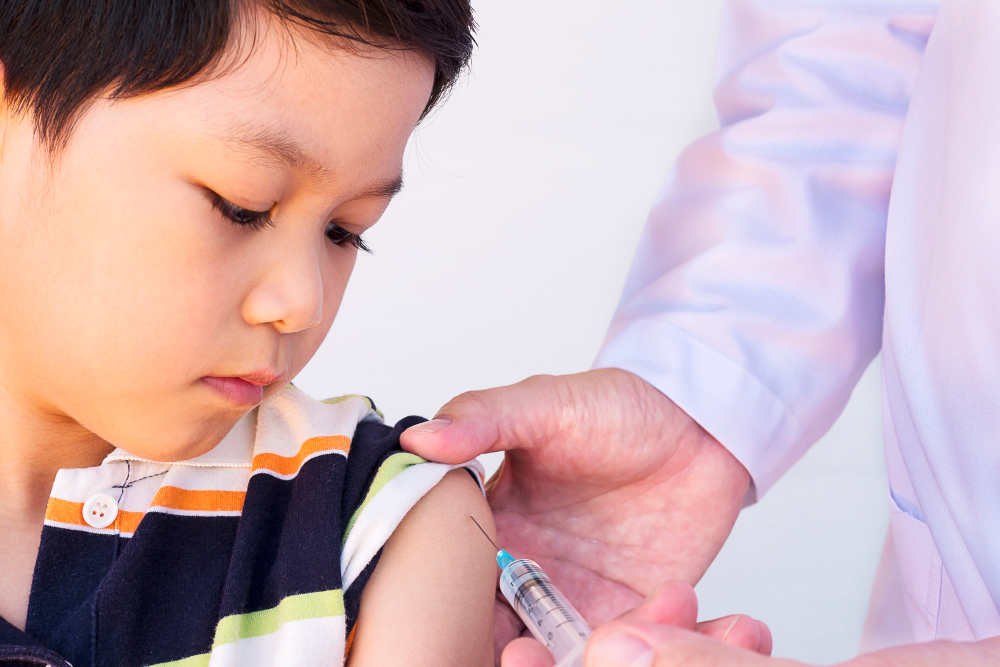
Childhood vaccination means giving children special shots to protect them from serious diseases. These vaccines help the body fight off infections before they can make your child sick. Because many diseases can spread quickly, vaccines are a safe way to keep children healthy. In fact, childhood vaccination is one of the best ways to prevent illness and save lives.
Why Timely Immunisation Matters
Timely immunisation means giving vaccines at the right age and time. When children get their shots on schedule, their bodies build strong protection. As a result, they are less likely to get sick from dangerous diseases. Delaying vaccines can leave children unprotected. Therefore, following the childhood immunisation schedule is very important for every family.
Common Vaccine-Preventable Diseases in Children
Vaccines protect children from many serious illnesses. Some of the most common vaccine-preventable diseases include:
Because these diseases can cause serious problems, vaccines are the best way to keep children safe.
Recommended Vaccination Schedule
Doctors and health experts, like the CDC and WHO, have created a childhood immunisation schedule. This schedule tells parents when each vaccine should be given. Although the exact timing may vary by country, most schedules include:
For the most accurate childhood immunisation schedule, always check with your pediatrician.
Benefits of Staying on Schedule
There are many benefits of timely vaccines for children. Some of the most important include:
Because vaccines work best when given on time, staying on schedule is key for lifelong health.
Addressing Common Concerns and Myths
Some parents worry about vaccine safety or side effects. However, vaccines are tested carefully before they are approved. Most side effects are mild, like a sore arm or mild fever. Serious reactions are very rare. In addition, vaccines do not cause autism or other long-term problems. Trusted sources like the WHO and CDC confirm that vaccines are safe and effective. If you have questions, talk to your doctor for clear answers.
Tips for Parents to Ensure Timely Vaccination
Staying on track with your child’s vaccines is easier with a few simple steps:
Because missing a vaccine can leave your child at risk, always follow up if you miss an appointment.
Prevention and Community Health Impact
When most children in a community are vaccinated, everyone is safer. This is called herd immunity. As a result, even babies who are too young for some vaccines get protection. In addition, timely childhood vaccination helps stop the spread of diseases. This keeps schools, families, and neighborhoods healthy. According to the WHO, vaccines save millions of lives every year.
In summary, timely childhood vaccination protects your child and your community. Consult your pediatrician at Sriram Clinics to ensure your child receives timely vaccinations for lifelong health.